




CNG Rollout Shows Uneven Progress Across States Ahead Of October 1 Fare-Cut Deadline
As the Federal Government pushes for measurable transport fare reductions from October 1, states are adopting varied approaches to the CNG initiative, with some already running subsidised transport...

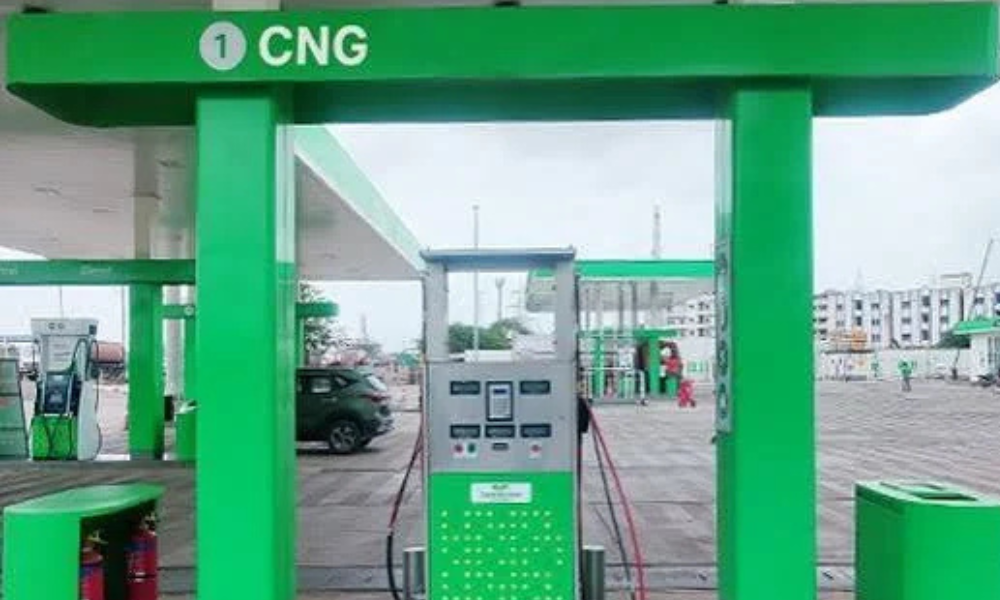
As the Federal Government pushes for measurable transport fare reductions from October 1, states are adopting varied approaches to the CNG initiative, with some already running subsidised transport while commercial operators elsewhere complain of inadequate refuelling infrastructure, high conversion costs and long queues.
President Bola Tinubu, after meeting the 36 governors on August 27, established an implementation committee under the Nigeria Governors’ Forum, chaired by Governor AbdulRahman AbdulRazaq, and said the Presidency has recorded over 120,000 converted vehicles, 400 conversion centres and 90 CNG stations nationwide.
In Lagos, long queues persist at stations like NIPCO Ibafo, with commercial driver Saheed describing hours-long waits, while others like Musa Kazeem cited conversion costs of N800,000-N1m as a deterrent. NARTO President Yusuf Othman said queues were costing operators time and money but expressed optimism that more stations, backed by the Midstream and Downstream Gas Infrastructure Fund, would ease the situation, insisting CNG “is the way to go.”
State experiences vary widely: Plateau and Kaduna already run cheap or free subsidised bus services (N200 fares in Jos, free services in Kaduna since July 2025), though Plateau transport leaders say the federal CNG programme itself has yielded no tangible station infrastructure. Gombe, Jigawa, Zamfara, Kwara and Borno reported inadequate stations, high conversion costs and, in Borno’s case, safety fears over possible explosions, while Kano, Edo, Nasarawa, Benue and Ogun disclosed plans for new buses, conversion centres or awareness campaigns. Rivers State said it would return palliative buses from October without yet implementing CNG.

The Presidency cited examples of fare reductions already achieved Borno’s N50-N100 fares versus N300-N600 elsewhere, Oyo’s Lagos-Ibadan fare drop from N8,000 to N3,200, and Enugu-Nsukka falling from N2,500 to N1,500, but operators nationwide stress that conversion costs, station access, spare parts and maintenance must be addressed before savings can reliably reach commuters as the October 1 deadline approaches.




No Comment! Be the first one.