




FCT Teachers Join Student Movement Protesting Two-Month School Closure Crisis in Abuja
Primary school educators in Nigeria's Federal Capital Territory (FCT) have announced their participation in Wednesday, July 2, 2025 protests organized by the National Association of Nigerian Students...


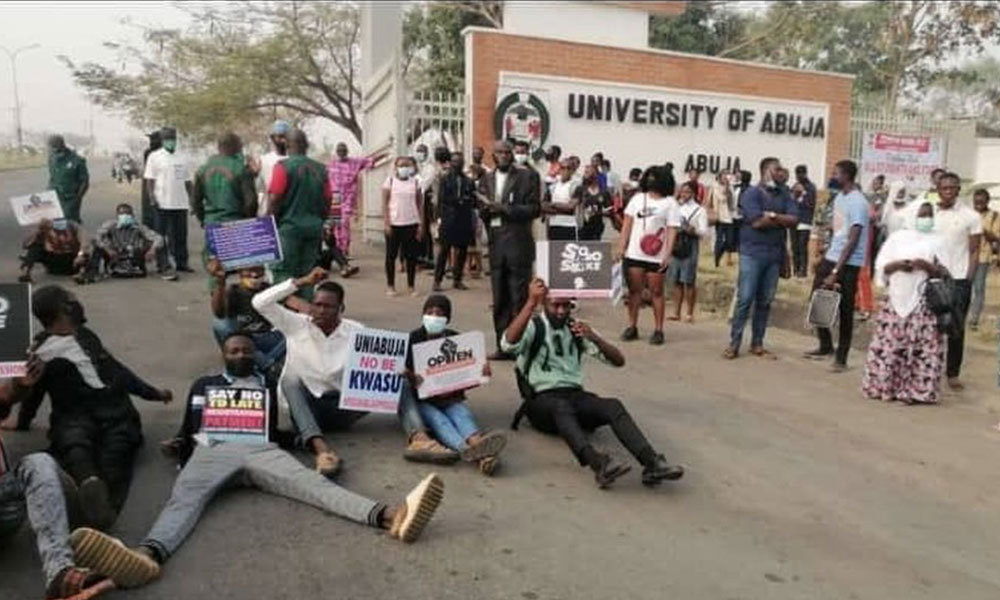
Primary school educators in Nigeria’s Federal Capital Territory (FCT) have announced their participation in Wednesday, July 2, 2025 protests organized by the National Association of Nigerian Students (NANS), escalating pressure on authorities over the prolonged closure of public primary schools in Abuja that has now exceeded two months.
“We the primary school teachers will be joining the NANS organised protest next tomorrow by God’s grace,” stated a Nigerian Union of Teachers (NUT) leadership figure who requested anonymity.
The educator source additionally alleged that FCT Nigeria Labour Congress Chairman Comrade Stephen Knabayi appears to be collaborating with governmental authorities in undermining teacher advocacy efforts.
“His activities seem to be sabotaging our efforts,” the source declared.
The National Association of Nigerian Students, announcing mass protest plans, characterized the extended school closure situation as “unacceptable” and constituting grave injustice against Nigerian children.
SaharaReporters previously documented that the association had delivered a seven-day ultimatum to Federal Capital Territory Minister Nyesom Wike demanding public primary school reopening in Abuja, following the sustained closure exceeding two months duration stemming from unresolved disputes between FCT Administration and Local Government Education Authorities.
The ultimatum deadline has since expired without resolution.
In a protest notification document (Ref No: NANS/Ref/05/9100) dated June 30 and provided to SaharaReporters, association President Olushola Oladoja expressed profound concern that thousands of children—particularly those from economically disadvantaged households—have been denied fundamental education access for over two months due to the shutdown.
The notice, titled “Notice Of Mobilisation For Protest Against The Continued Closure Of Primary Schools In The FCT,” conveyed the association’s regret that despite repeated “appeals, correspondences, and calls for constructive dialogue with the relevant authorities, no meaningful steps have been taken to resolve the impasse or reopen the affected schools.”
The student organization characterized continued governmental silence as “a deliberate act of negligence and disregard for the educational future of the Nigerian child.”
“In response, the national leadership of NANS hereby issued a final call to action and announces a mass protest to demand the immediate reopening of all closed public primary schools in the FCT,” the statement declared.
“All NANS structures across the FCT and neighbouring states-Kogi, Nasarawa, Niger and Kaduna-are by this notice directed to commence full mobilisation of students, civil society allies, and education rights activists for this mass action. Zone A and Zone C leaderships are to provide immediate coordination,” the directive continued.
The extended closure represents an unprecedented educational disruption affecting thousands of FCT primary school students during a critical learning period, with low-income families disproportionately impacted due to limited alternatives to public education infrastructure.

The administrative standoff between FCT Administration and Local Government Education Authorities—the underlying cause precipitating the closures—remains unresolved despite mounting public pressure and the approaching third month of suspended operations.
The educator union’s decision to formally join student-led protests signals broadening coalition formation around the school reopening demand, potentially intensifying pressure on Minister Wike and FCT authorities to resolve the administrative impasse.
However, allegations of labour leadership cooperation with government to undermine advocacy efforts—if substantiated—suggest internal divisions within organized labour that could complicate unified pressure campaigns and advocacy coordination.
The crisis highlights structural vulnerabilities in FCT education governance where administrative disputes between governmental layers can precipitate extended service suspensions affecting vulnerable populations without apparent accountability mechanisms or expedited resolution protocols.






No Comment! Be the first one.