




Kara Bridge’s Cycle Of Repairs Renews Questions Over Lagos-Ibadan Expressway Maintenance
otorists and commuters on the Lagos-Ibadan Expressway have again endured severe gridlock following the latest repair of damaged expansion joints on the Kara Bridge, which began on Tuesday, September...

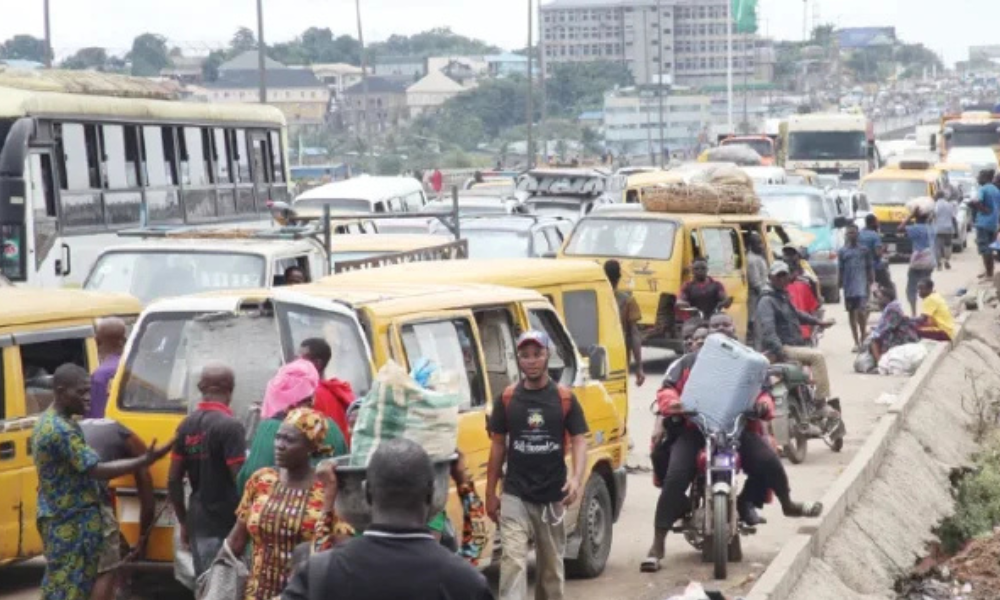
otorists and commuters on the Lagos-Ibadan Expressway have again endured severe gridlock following the latest repair of damaged expansion joints on the Kara Bridge, which began on Tuesday, September 8, after the Federal Ministry of Works announced a two-week intervention on September 5.
Traffic built up from Kara Bridge in Ogun State, stretched beyond the Secretariat Bus Stop by afternoon and extended about 15 kilometres into Lagos by nightfall, with joint security and traffic personnel deployed to manage the situation.
The disruption has carried wide economic costs, delaying commercial drivers, workers, travellers and goods while consuming fuel and forcing some commuters, such as Timilehin Adio and Saheed, to consider alternative routes through Ikorodu, Sagamu or Lekki-Epe. The repair is being carried out in phases, with one half of the affected section closed while traffic uses the other half.

The Kara Bridge intervention is the latest in a recurring cycle: expansion joint damage was first reported in July 2025, prompting repairs; a six-week partial closure followed in February 2026 covering Kara, Magboro and Arepo-Punch bridges after the Ministry cited deteriorating joints and safety risks; and a planned July 2026 repair was postponed over traffic concerns before returning in September. Infrastructure experts Engr. Babatunji Adegoke and Bright Ezeonye said the recurring failures point to a need for preventive rather than reactive maintenance, questioning whether previous repairs were properly supervised and whether design, material quality or traffic loading issues were being addressed.
Federal Controller of Works in Ogun State, Michael Komolafe, said the current repair uses a more durable, faster-curing concrete and should last at least 10 years under normal conditions, but acknowledged that overloading, with vehicles carrying 80-90 tonnes on roads designed for far less, continues to strain the infrastructure.




No Comment! Be the first one.