


2027: Atiku, Obi, Makinde Reject Calls To Step Down
Efforts by the G-100 coalition to produce a consensus opposition presidential candidate ahead of the 2027 election are facing resistance, as ADC’s Atiku Abubakar, NDC’s Peter Obi and...


Efforts by the G-100 coalition to produce a consensus opposition presidential candidate ahead of the 2027 election are facing resistance, as ADC’s Atiku Abubakar, NDC’s Peter Obi and APM’s Seyi Makinde have all maintained their presidential ambitions. G-100 member Ambassador Umanu Elijah, however, expressed confidence that consultations would be concluded and an agreement reached by September 30, following a G-100 Alliance Summit at the Shehu Musa Yar’Adua Centre in Abuja involving six opposition parties.
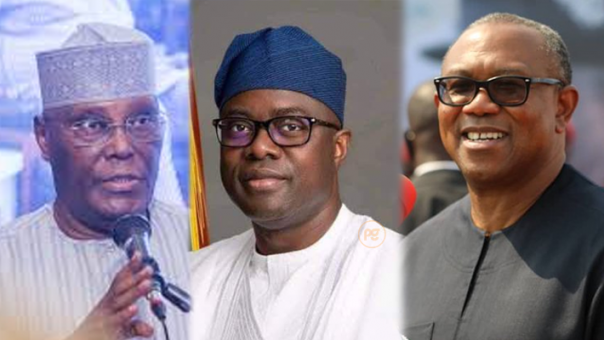
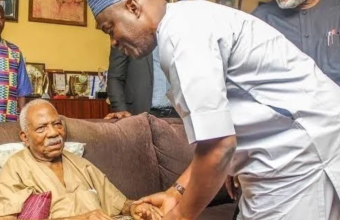
Elijah said the process was gradual, with meetings ongoing behind the scenes, and cited Obi’s recent visit to Makinde as part of the consultations. Camps of the three leading candidates gave differing responses: an Atiku ally said the former Vice-President remains open to dialogue but is contesting in 2027, describing the ADC itself as the product of an earlier coalition effort; APM’s Abubakar Yusuf said Makinde is “in the race to win” and has not stepped down for anyone, though he did not rule out Makinde emerging as the consensus pick; and NDC’s Osa Director said the party is participating in consensus talks while maintaining its candidate is among the strongest contenders.
Other parties rejected the single-candidate push outright. African Action Congress candidate Omoyele Sowore said a consensus candidate without a shared ideology and reform agenda would amount to “another elite arrangement” and vowed not to step down, while the Democratic Leadership Alliance’s Tosin Odeyemi said the party does not support a single-candidate arrangement. The Action Democratic Party’s national chairman, Yabbagi Sani, also ruled out withdrawing its candidate, though he said the party would welcome other candidates stepping down to support its flag bearer.

Young Progressives Party candidate Peter Agada offered a conditional openness, saying he could consider a consensus arrangement if it was anchored on a clear ideology and a development framework that pushed power to the grassroots and strengthened the micro-economy.



No Comment! Be the first one.