



Nigeria@66: Tinubu Declares End Of Painful Reforms, Promises “Age Of Prosperity”
President Bola Tinubu has declared that Nigeria has moved past the most difficult phase of his economic reforms and entered what he described as an “age of prosperity,” with reducing the...


President Bola Tinubu has declared that Nigeria has moved past the most difficult phase of his economic reforms and entered what he described as an “age of prosperity,” with reducing the cost of living now the government’s immediate priority. Tinubu made the declaration in a national broadcast titled “From Reform to Prosperity” on Thursday, October 1, to mark Nigeria’s 66th Independence Anniversary, broadcast at 7am across television, radio and other electronic media.

The President said previous administrations had avoided difficult decisions, choosing instead to pass economic problems from one generation to the next, while his government chose to confront the country’s structural weaknesses head-on. “We hid from difficult truths and passed the consequences from one generation to the next… The emergency treatment is over. Now begins the age of prosperity,” Tinubu said, adding that the reforms did not create Nigeria’s economic troubles but were designed to fix them.
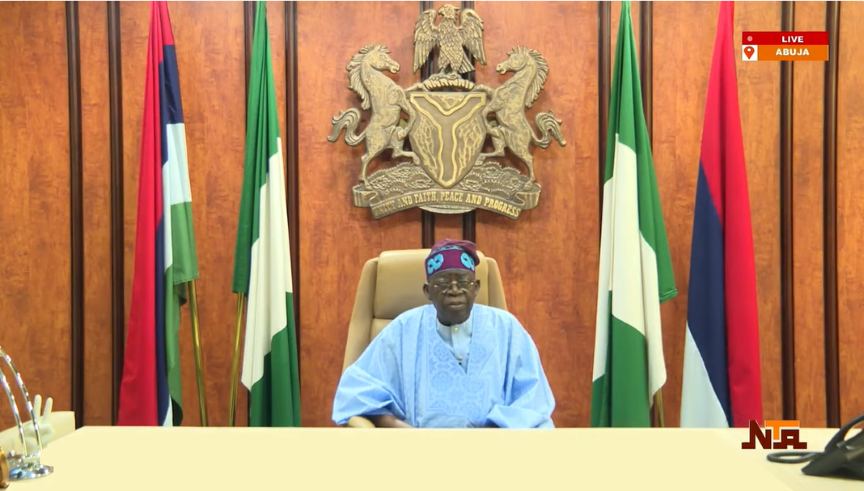
Despite the declaration, Tinubu acknowledged that millions of Nigerians remain under significant economic pressure, noting that some families still struggle for their next meal, school fees or medical bills. He said the next phase of his administration would focus on translating economic growth into improved living conditions, stressing that “the road ahead will still demand much” from citizens as the country moves toward what he called a “Promised Land” of abundance and opportunity, while ruling out a return to the previous fuel subsidy regime.
Reactions were mixed. Secretary to the Government of the Federation, George Akume, defended the reforms as necessary to save Nigeria from “imminent collapse,” citing GDP growth and over 120,000 vehicles converted to CNG, while Minister of Information Mohammed Idris said the priority ahead was translating economic gains into higher incomes, better jobs and lower living costs. However, the Human Rights Writers Association of Nigeria (HURIWA) said Nigeria’s promise of prosperity, security and social justice remained undermined by poor governance, weak institutions and insecurity.





No Comment! Be the first one.