

NACA Calls On Journalists To Step Up HIV Awareness, Champion PrEP Sensitisation
The National Agency for the Control of AIDS (NACA) has called on journalists to intensify public awareness efforts around HIV prevention, with particular emphasis on pre-exposure prophylaxis,...

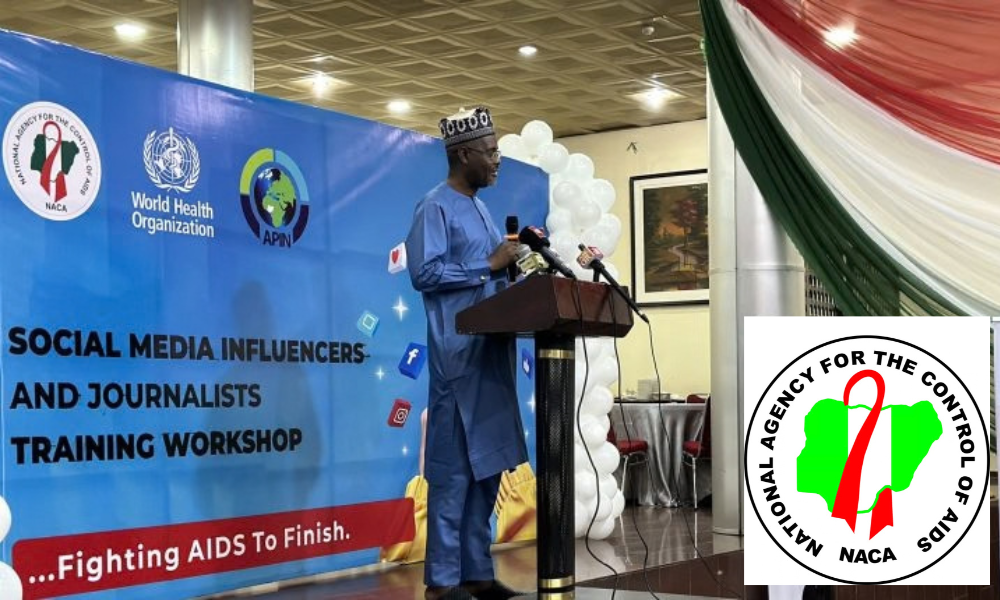
The National Agency for the Control of AIDS (NACA) has called on journalists to intensify public awareness efforts around HIV prevention, with particular emphasis on pre-exposure prophylaxis, popularly known as PrEP. The appeal underscores the growing recognition that beating back the HIV epidemic in Nigeria will take more than clinical interventions alone it will require sustained, accurate public communication to reach the people who need it most.
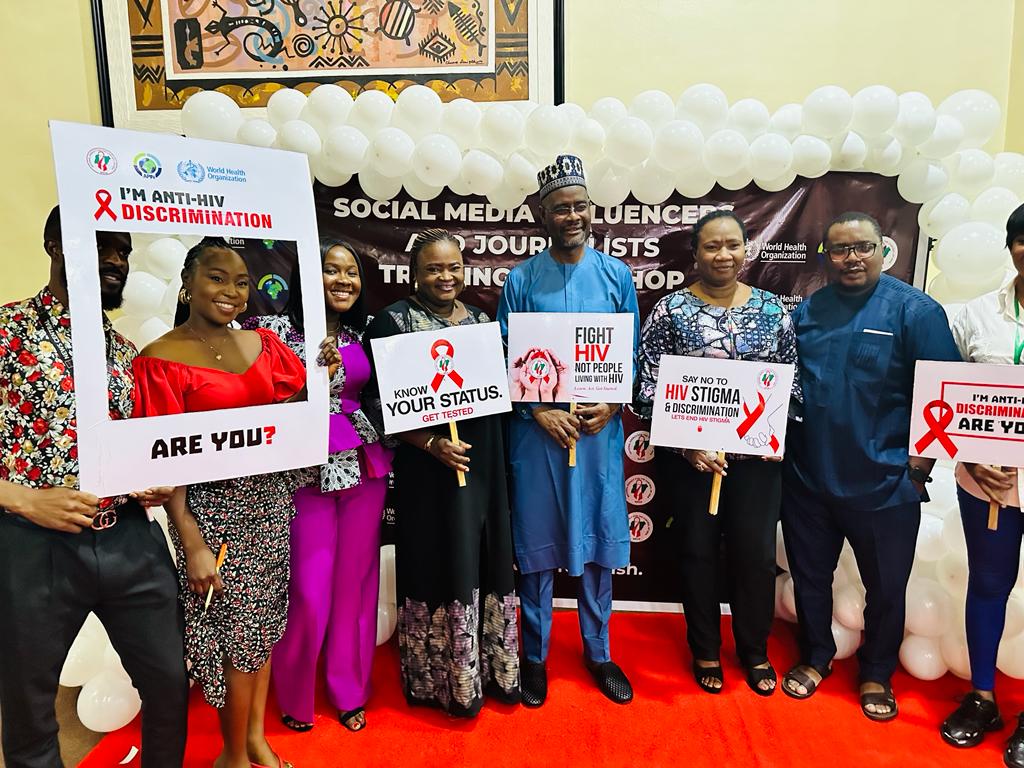
NACA Director-General, Dr Temitope Ilori, said the media has a critical role to play in improving public understanding of HIV prevention and ensuring Nigerians have access to accurate, life-saving information. She described media professionals as “indispensable partners” in the national HIV prevention response, stressing that well-researched, responsible reporting has the power to dispel long-standing misconceptions, reduce stigma and ultimately encourage more people to seek out prevention services.
This framing places journalists not merely as observers of public health developments, but as active participants in shaping how communities understand and respond to HIV prevention.
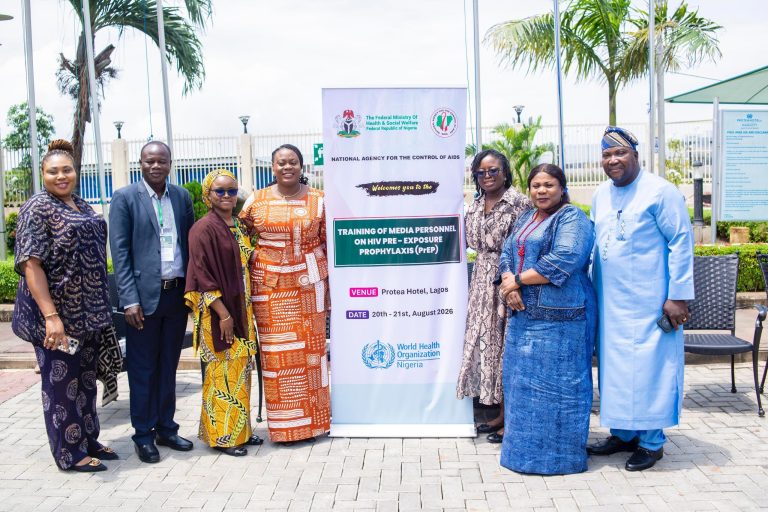
According to Ilori, the availability of prevention interventions like PrEP is not, by itself, sufficient to drive uptake. She noted that people also need accurate information about their options, clarity on where services are available, and practical guidance on how to access them. This point highlights a common gap in public health delivery: even when effective tools exist, low awareness or misinformation can prevent people from using them.
PrEP, which involves the use of antiretroviral medication by HIV-negative individuals to reduce their risk of contracting the virus, has been positioned globally as one of the most effective prevention tools available. But its impact depends heavily on public awareness people need to know it exists, understand how it works, and feel confident enough to seek it out without fear of judgement.
A recurring theme in Ilori’s message was the role that stigma continues to play in undermining HIV prevention efforts. She argued that well-informed media coverage can help chip away at the misconceptions that often surround HIV and its prevention methods, creating a more supportive environment for people to make informed choices about their health.
For a media sector often focused on breaking news and headline-driven stories, NACA’s appeal serves as a reminder that consistent, thoughtful coverage of public health issues even when they aren’t dominating the news cycle can have a meaningful, long-term impact on how communities engage with critical health services.
As Nigeria continues its efforts to curb the spread of HIV, NACA’s message to journalists is clear: the media’s role goes beyond simply reporting statistics or government announcements. By deepening coverage of prevention options like PrEP, addressing misinformation head-on and highlighting where and how Nigerians can access services, newsrooms across the country can become active drivers of public health progress helping to save lives one informed reader at a time.




No Comment! Be the first one.