




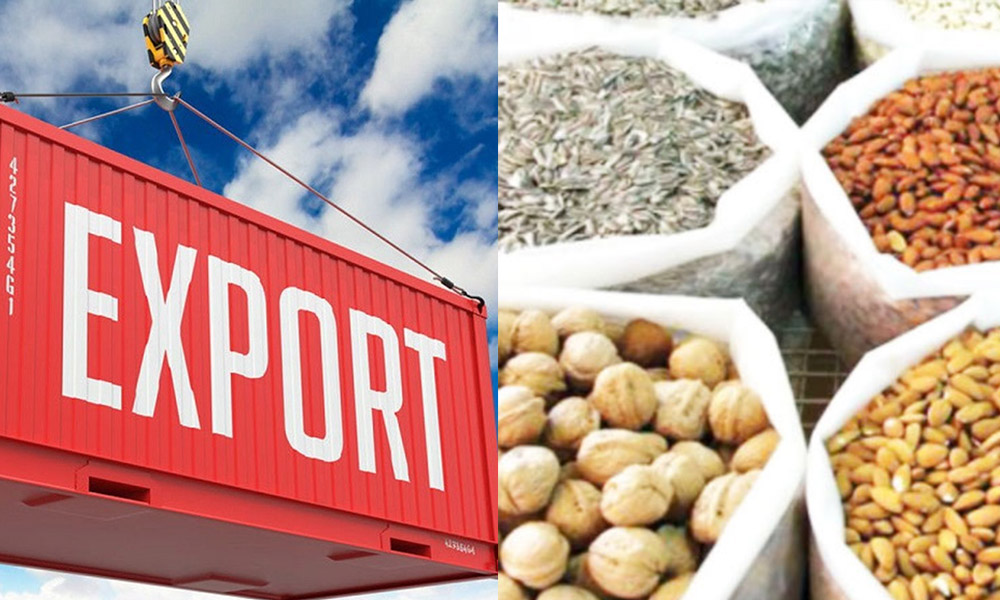
Nigeria’s non-oil export earnings climbed to $6.1bn in 2025, marking the strongest performance recorded since the Nigerian Export Promotion Council (NEPC) was established, according to figures released by the council.
The latest data shows that the value of non-oil exports grew by 11.5 per cent from the $5.4bn recorded in 2024, underscoring sustained momentum in the country’s efforts to diversify its export base beyond crude oil.
The Executive Director and Chief Executive Officer of the NEPC, Nonye Ayeni, made the disclosure on Monday in Abuja while presenting the council’s annual performance report alongside its outlook for non-oil exports in 2026.
Ayeni explained that the figures were compiled from records provided by pre-shipment inspection agencies and reflect a new high point for Nigeria’s formal and documented non-oil trade.
“Based on records obtained from pre-shipment inspection agencies, Nigeria’s non-oil export performance in 2025 reached approximately 6.1 billion U.S. dollars, representing a year-on-year growth of about 11.5 per cent over the 5.4 billion U.S. dollars recorded in 2024,” she said.
She noted that the outcome represents the highest export value achieved in the non-oil sector since the council’s creation nearly 50 years ago.
Beyond earnings, export volumes also expanded during the year. Total non-oil exports rose to 8.02 million metric tonnes in 2025, up from 7.29 million metric tonnes in 2024, translating to growth of roughly 10 per cent.
Ayeni said the improved performance was spread across multiple segments, including agricultural produce, processed and semi-processed goods, industrial inputs and solid minerals, pointing to gradual progress in diversification and value addition.
She added that Nigeria exported 281 distinct non-oil products in 2025, reflecting increased participation across various export value chains.
Despite the gains, Ayeni cautioned that the official numbers may still understate the true size of the non-oil export sector, as a large portion of cross-border trade continues to take place through informal channels, particularly along land borders.
According to her, the NEPC is collaborating with the National Bureau of Statistics, the Central Bank of Nigeria and other relevant agencies to better capture informal trade flows, enhance data quality and strengthen policy interventions for exporters.
Looking ahead, Ayeni said export reforms, incentive programmes and capacity-building initiatives would be sustained into 2026 to consolidate the growth achieved so far.
The improved export performance aligns with the Federal Government’s broader strategy to boost foreign exchange inflows and reduce the economy’s dependence on crude oil by expanding non-oil export revenues.





No Comment! Be the first one.