



Togo, Benin Republic, and Niger Republic Default on Electricity Payments as Nigeria Records $11.57m Revenue Shortfall
Nigeria's power sector is grappling with a significant revenue crisis as three neighboring West African countries have accumulated $11.57 million in unpaid electricity bills, according to regulatory...

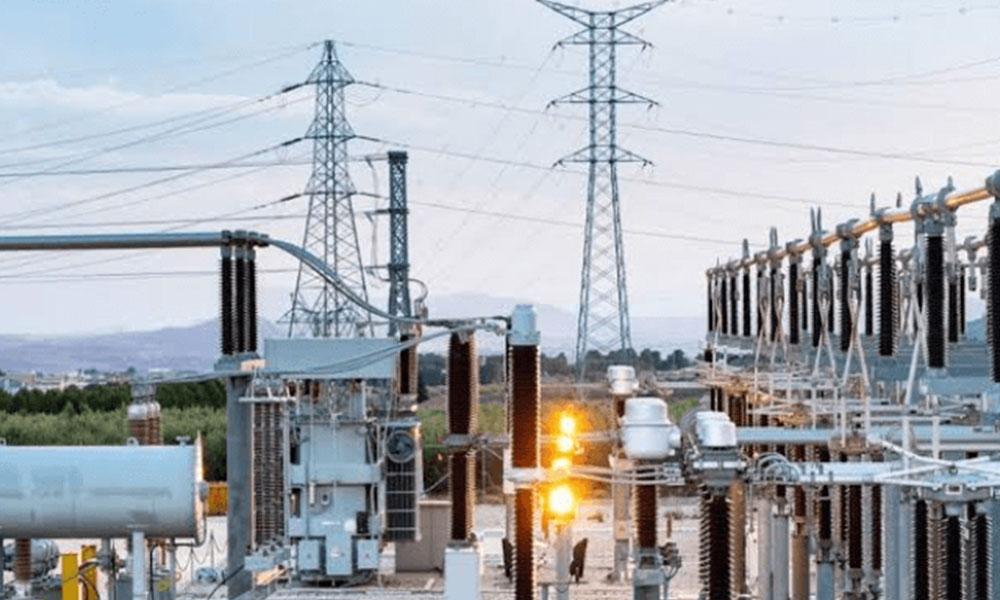
Nigeria’s power sector is grappling with a significant revenue crisis as three neighboring West African countries have accumulated $11.57 million in unpaid electricity bills, according to regulatory disclosures covering the third quarter of 2025.
The Nigerian Electricity Regulatory Commission (NERC) revealed the debt burden in its latest quarterly market assessment, exposing a troubling payment deficit among international customers receiving power through cross-border bilateral supply arrangements.
Documentation from the regulatory body shows that while the Market Operator (MO) billed international offtakers a total of $18.69 million for electricity consumed during the period, actual collections reached only $7.12 million—translating to a dismal remittance rate of 38.09 percent.
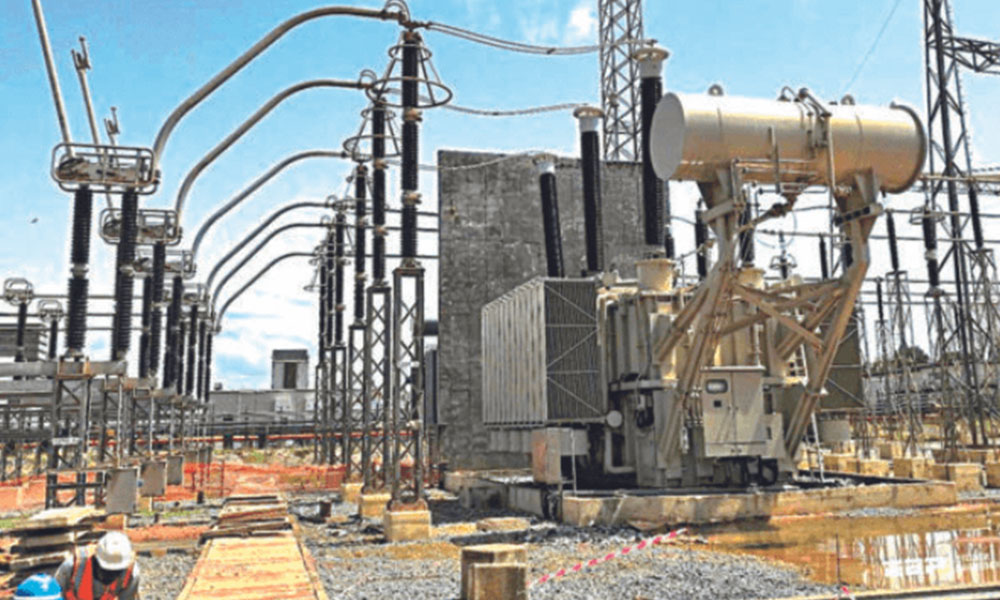
The defaulting entities have been identified as Compagnie Énergie Électrique du Togo, Société Béninoise d’Énergie Électrique of Benin Republic, and Société Nigérienne d’Électricité of Niger Republic—all of which maintain electricity purchase agreements with generation companies operating within Nigeria’s electricity supply industry.
“The three (3) international bilateral customers being supplied by GenCos in the NESI made a payment of $7.12 million against the cumulative invoice of $18.69 million issued by the MO for services rendered in 2025/Q3, translating to a remittance performance of 38.09%,” the report said.
The poor international payment performance stands in stark contrast to domestic bilateral customer behavior, where NERC recorded significantly better compliance. Nigerian entities remitted ₦3.19 billion against invoices totaling ₦3.64 billion during the same quarter, achieving an 87.61 percent payment rate.
Some positive movement occurred regarding historical arrears, with the Market Operator successfully recovering $7.84 million from international buyers and ₦1.29 billion from domestic customers for obligations predating the current quarter, according to the commission’s findings.
However, the regulatory report highlighted another persistent non-payment challenge involving a domestic special customer. NERC disclosed that Ajaokuta Steel Co. Ltd and its host community completely failed to remit any funds toward substantial outstanding bills.
The steel complex and surrounding community ignored invoices worth ₦1.03 billion issued by the Nigerian Bulk Electricity Trading (NBET) Plc and an additional ₦100 million billed by the Market Operator. The commission characterized this non-payment as part of an entrenched pattern extending across multiple billing cycles.
Faced with Ajaokuta’s continued default, NERC indicated it has escalated the matter, calling for federal government intervention to address what has become a chronic revenue leakage point within the electricity value chain.
The dual challenges of international customer defaults and domestic special customer non-payment underscore broader liquidity constraints plaguing Nigeria’s power sector, where cash flow disruptions ripple through the entire electricity supply chain—from generation companies to distribution networks.
The revelations come as Nigeria continues efforts to improve electricity supply reliability while managing the financial sustainability of its restructured power industry. The significant gap between billed amounts and actual collections from international customers raises questions about enforcement mechanisms for cross-border electricity trade agreements.





No Comment! Be the first one.