


Mass Protests Trigger Communications Shutdown Across Iran as Economic Crisis Fuels Anti-Regime Demonstrations
Iranian authorities imposed a sweeping communications blackout across the nation on Thursday night, January 8, severing internet and telephone services as anti-government demonstrations intensified...

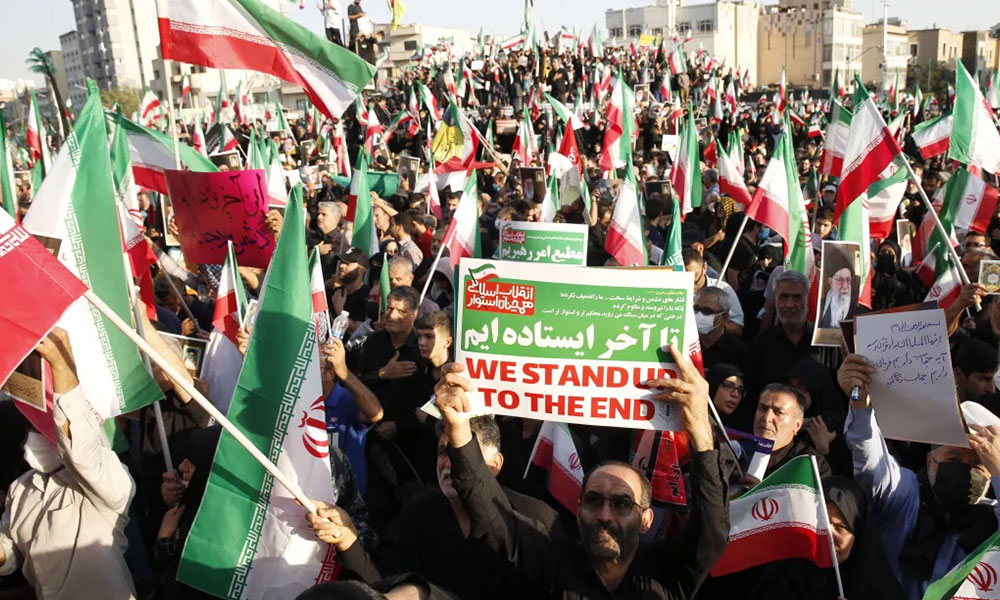
Iranian authorities imposed a sweeping communications blackout across the nation on Thursday night, January 8, severing internet and telephone services as anti-government demonstrations intensified in cities throughout the country, with protesters voicing opposition to the theocratic government amid mounting frustration over economic collapse and aggressive security measures.
The telecommunications shutdown began shortly after protest activity erupted in the capital Tehran and other metropolitan centers. However, despite the digital blockade, footage from the demonstrations has continued to emerge online as the civil unrest moves into its fourteenth day.
According to cybersecurity analysts, government-ordered nationwide communications cutoffs are characteristically deployed when authorities anticipate lethal force deployment against civilian protesters—a tactic designed to suppress information flow and minimize external observation of state actions.
The scope of civil disobedience has expanded dramatically, with demonstrations reported in over 100 municipalities spanning from Ilam province along the Iraqi frontier in the west, through Tehran, to the northeastern urban center of Mashhad. The protests, which began nearly two weeks prior, have been met with forceful suppression by security apparatus following established patterns of violent response without substantive engagement with underlying grievances driving public fury.
Human rights monitoring organizations report that security force actions have resulted in at least 45 protester fatalities, including eight minors, since demonstrations commenced. Additionally, hundreds have sustained injuries while detention figures exceed 2,000 individuals, according to rights advocacy groups.
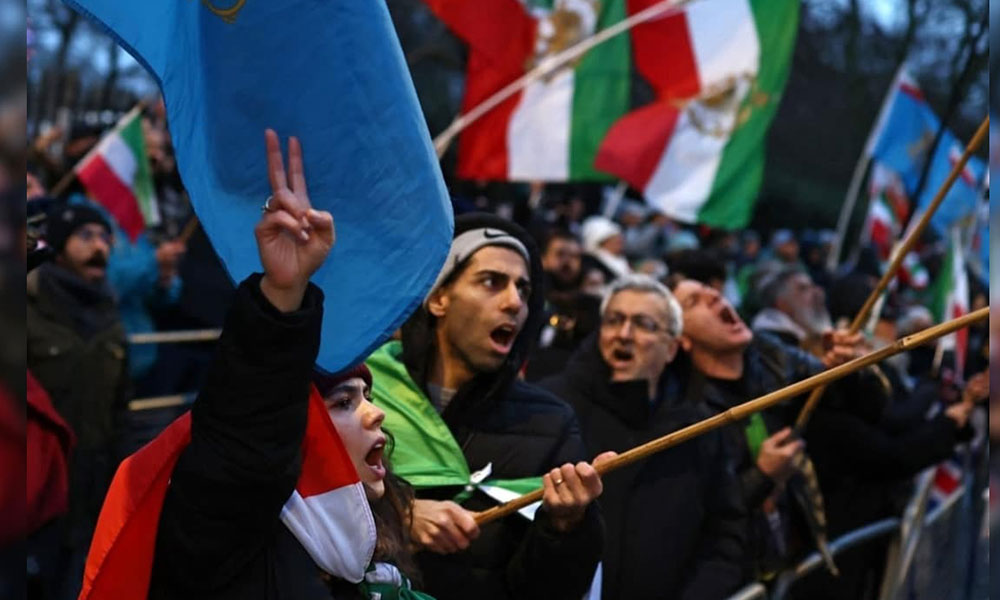
Evidence suggests portions of the protest movement may be responding to mobilization appeals from exiled Crown Prince Reza Pahlavi, who has encouraged Iranians to maintain street presence. Video documentation authenticated by international media outlets captured demonstrators chanting slogans including “This is the last battle, Pahlavi will return” during marches. Pahlavi has publicly urged Iranian citizens to maintain unity and sustain protest activities, instructing supporters to “rise” and press for governmental transformation.
Authenticated video material depicted substantial crowds obstructing roadways, igniting fires and engaging in confrontations with security personnel across multiple urban areas. Government-controlled media outlets acknowledged “scattered” protest activity while reporting property damage affecting both public infrastructure and private assets, alongside unspecified casualty numbers.
The escalating situation has attracted international scrutiny. US President Donald Trump issued warnings that Washington would implement forceful responses should Iranian security forces persist in killing demonstrators, reiterating previous threats during a radio media appearance.
What originated as coordinated actions by merchants and university students within Tehran’s bazaar districts and educational institutions has transformed into geographically dispersed street mobilizations. Violence intensification followed the deployment of security forces tasked with crowd dispersal.
Economic devastation has left millions of Iranian citizens contending with accelerating inflation rates, currency devaluation and critical shortages affecting essential commodities and pharmaceutical supplies. Numerous citizens report that pricing volatility has reached hourly fluctuation levels, rendering household economic management increasingly untenable.
Media professionals and civil society activists indicate the demonstrations have transcended purely economic complaints. Protesters now explicitly demand the dissolution of the Islamic Republic governmental system, asserting the current framework has exhausted reform possibilities.
The initial catalyst emerged when Tehran’s Grand Bazaar merchants staged protests against deteriorating economic policy implementation. Crisis escalation occurred following the central bank’s termination of a program providing select importers with subsidized foreign currency access, precipitating immediate dramatic price surges for basic goods and compelling numerous commercial enterprises to suspend operations.
Government attempts at tension mitigation through announcements of modest monthly cash distribution programs have proven inadequate, with officials conceding the intervention fails to address fundamental crisis elements.
Geographic protest concentration has emerged particularly in Ilam and Lorestan provinces, where assembled crowds have vocalized slogans directly confronting Supreme Leader Ayatollah Ali Khamenei’s authority. Documentation from various cities shows protesters setting fire to government structures, removing national symbols and engaging security forces in physical altercations.
Human rights organizations report state security forces have deployed live ammunition in certain locations while conducting widespread arrest operations. Iranian government sources claim hundreds of police and paramilitary personnel have sustained injuries, with state broadcasting reporting that several security personnel have been killed.
The magnitude of civil unrest represents the most extensive mobilization since demonstrations following Mahsa Amini’s death while in police detention in 2022. Political analysts highlight the participation of bazaar merchant communities—historically constituting a crucial regime support constituency—as indicating a fundamental shift and revealing profound systemic discontent.
The protest wave unfolds against a backdrop of escalating regional instability and renewed international military intervention threats, compounding pressures confronting Iranian leadership.



No Comment! Be the first one.